
A winter storm can overload heating systems, often making emergency HVAC repair in Medford, MA, necessary even after temperatures stabilize.
The winter storm that swept through the region earlier this year brought prolonged cold, heavy snowfall, and sustained heating demand. Systems that typically cycle with ease were forced into extended runtimes under harsher conditions.
Now, many homeowners are noticing subtle performance shifts, unexpected noises, or uneven heating, creating understandable concern about system reliability.
Heating problems after severe winter weather are rarely random. Extreme cold and heavy snow place mechanical and electrical components under stress that can reveal weaknesses once conditions begin to normalize.
How Severe Cold Stresses Heating Equipment | Emergency HVAC Repair in Medford, MA
Extreme cold places continuous demand on heating systems, forcing equipment to operate under conditions that accelerate wear and expose hidden vulnerabilities.
Severe winter conditions typically create strain through:
- Extended runtimes that strain motors and electrical components
- Frozen or stiffened parts affecting normal mechanical movement
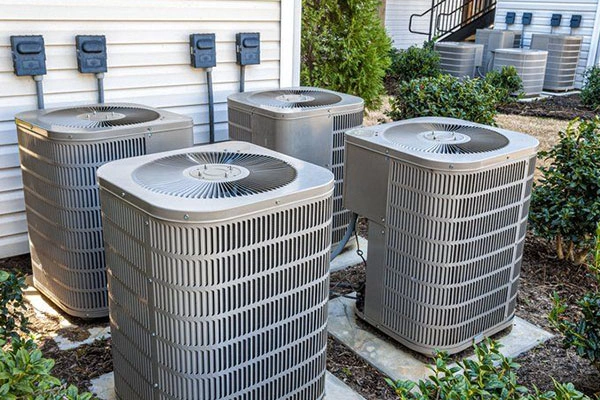
- Airflow restrictions caused by snow buildup or ice formation
- System imbalance as units struggle to maintain stable temperatures
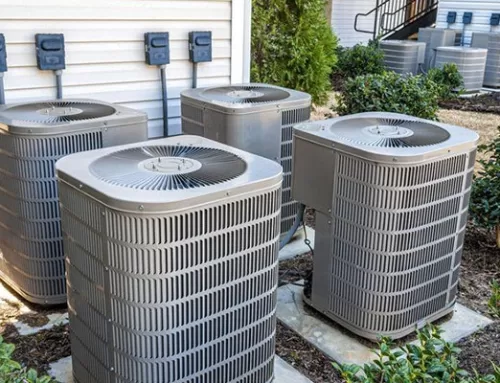
- Heat pump efficiency loss during prolonged freezing conditions
Most systems keep running through this stress, which is why problems often surface later. What felt like reliable performance during the storm can quietly turn into reduced efficiency or sudden breakdowns.
Also Read: 5 Tips for Ensuring Your AC is Ready for the Heat
Telltale Signs Your Heating System Is Struggling
Heating problems rarely begin with a complete system failure. More often, small performance changes signal that components are under stress.
You might notice things like:
- Uneven heating where some rooms feel colder than others
- Short cycling as the system turns on and off more frequently
- Weak airflow from vents that once delivered steady warmth
- Unusual sounds such as rattling, buzzing, or banging
- Rising energy bills without a clear explanation
- Delayed response when adjusting thermostat settings
When these patterns persist, emergency HVAC repair becomes less about convenience and more about restoring comfort and preventing larger system failures.
Why Heating Failures Often Happen After the Storm | Emergency HVAC Repair in Medford, MA
Heating systems rarely fail at the peak of severe weather. During a storm, equipment is operating at maximum output, often masking early signs of strain.
Once temperatures stabilize, residual stress begins to show. Components weakened by prolonged runtimes can struggle to maintain normal operation.
Small mechanical or electrical vulnerabilities that held together under pressure may start to break down. Hidden damage from restricted airflow, frozen parts, or system imbalance can also become more apparent.
What feels like a sudden failure is often the delayed result of sustained winter stress.
What Technicians Look For When Your Heat Feels Off
Professional diagnosis focuses on identifying stress points that are not always visible from the surface. Technicians evaluate electrical components for signs of overload or instability.
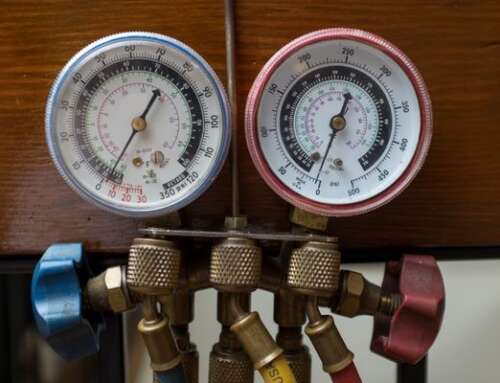
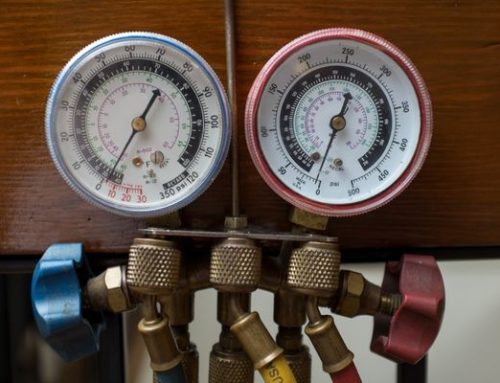
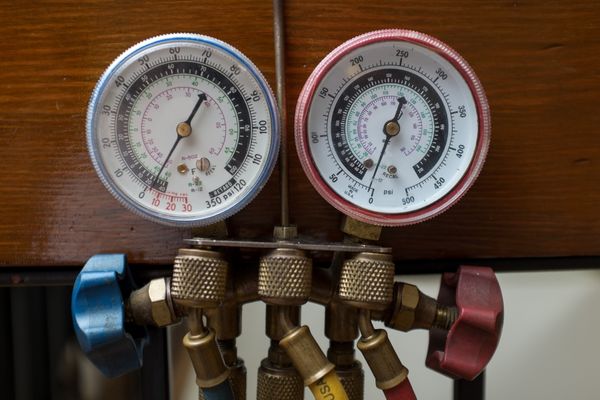
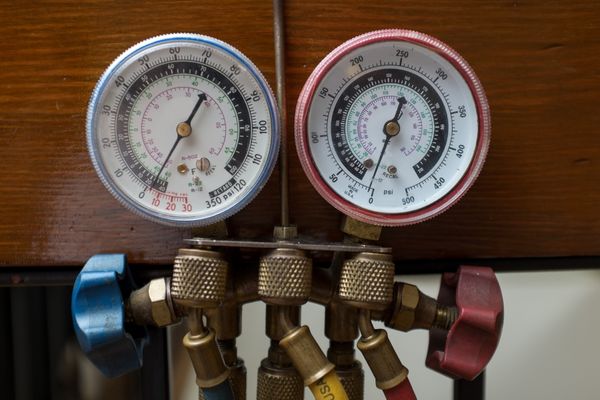
Airflow is measured to detect restrictions caused by debris, ice exposure, or system imbalance. Refrigerant pressure is assessed in heat pump systems to confirm proper operation.
Emergency HVAC repair in Medford, MA, often begins with uncovering minor mechanical wear or calibration issues. Addressing these early helps restore efficiency, stabilize performance, and reduce the risk of unexpected breakdowns.
Don’t Let Winter Stress Turn Into System Failure
Severe winter weather places lasting strain on heating equipment, even after temperatures begin to normalize. Small performance changes today can quickly develop into disruptive breakdowns when left unaddressed.
Chilli Willie Mechanical delivers responsive service, an experienced crew, and trusted support across Medford and surrounding communities.
If your system is showing signs of stress or has stopped working altogether, contact us at 774-202-9077 to schedule an inspection, request emergency repair, or ask for installation quotes.